

What Happens When Two Coding Agents Get Different Answers
Agent A read the doc. Agent B read the ticket. Both were right once. Here's why neither one knows it's now wrong.
Posts from the Thor team on AI teammates, project management busywork, and keeping work moving.
Agent A read the doc. Agent B read the ticket. Both were right once. Here's why neither one knows it's now wrong.
More tokens means an agent reads more, not that it knows which of what it read is still true. Here's why the two get confused.
Three real questions to ask Thor in Slack this week, and what each one gets you back.
Planning season already asks "where do we stand." Here's the version of that question worth asking about AI-native maturity, honestly.
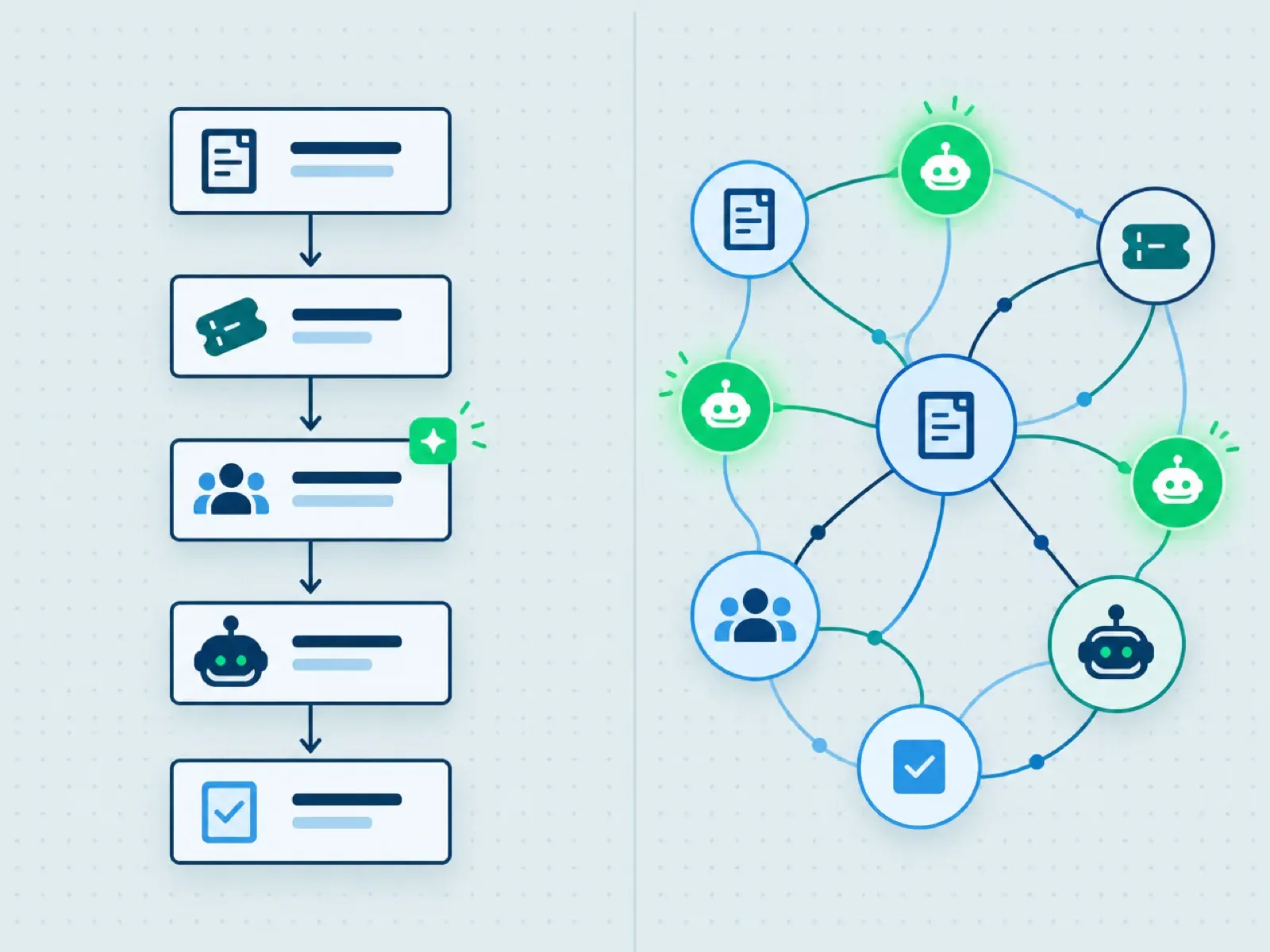
Using a coding assistant isn't the same as being AI-native. Here's the concrete test that tells the two apart, and why the difference matters.
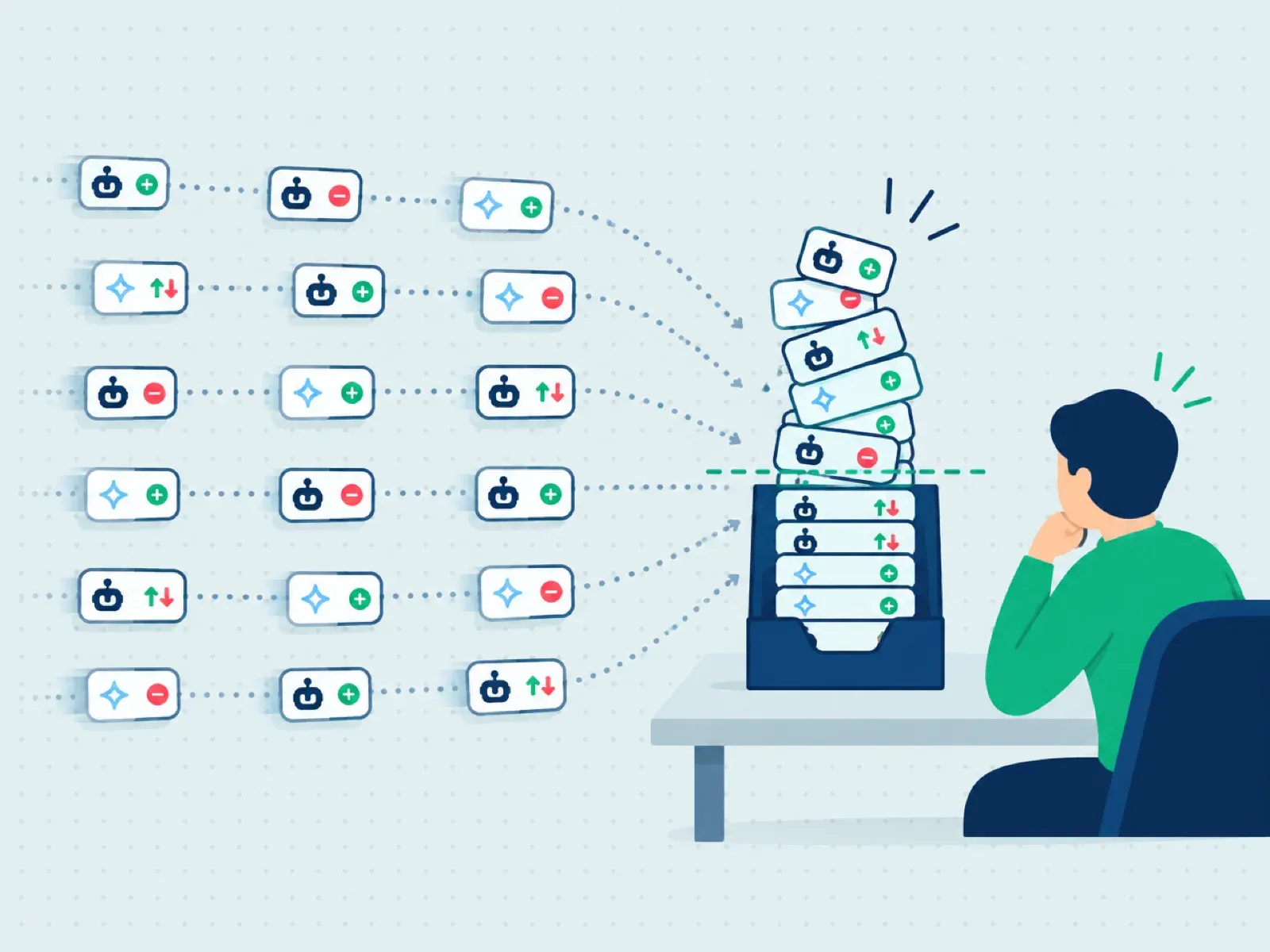
The agent count isn't the number that matters. Here's the actual signal that tells you review can't keep up anymore.
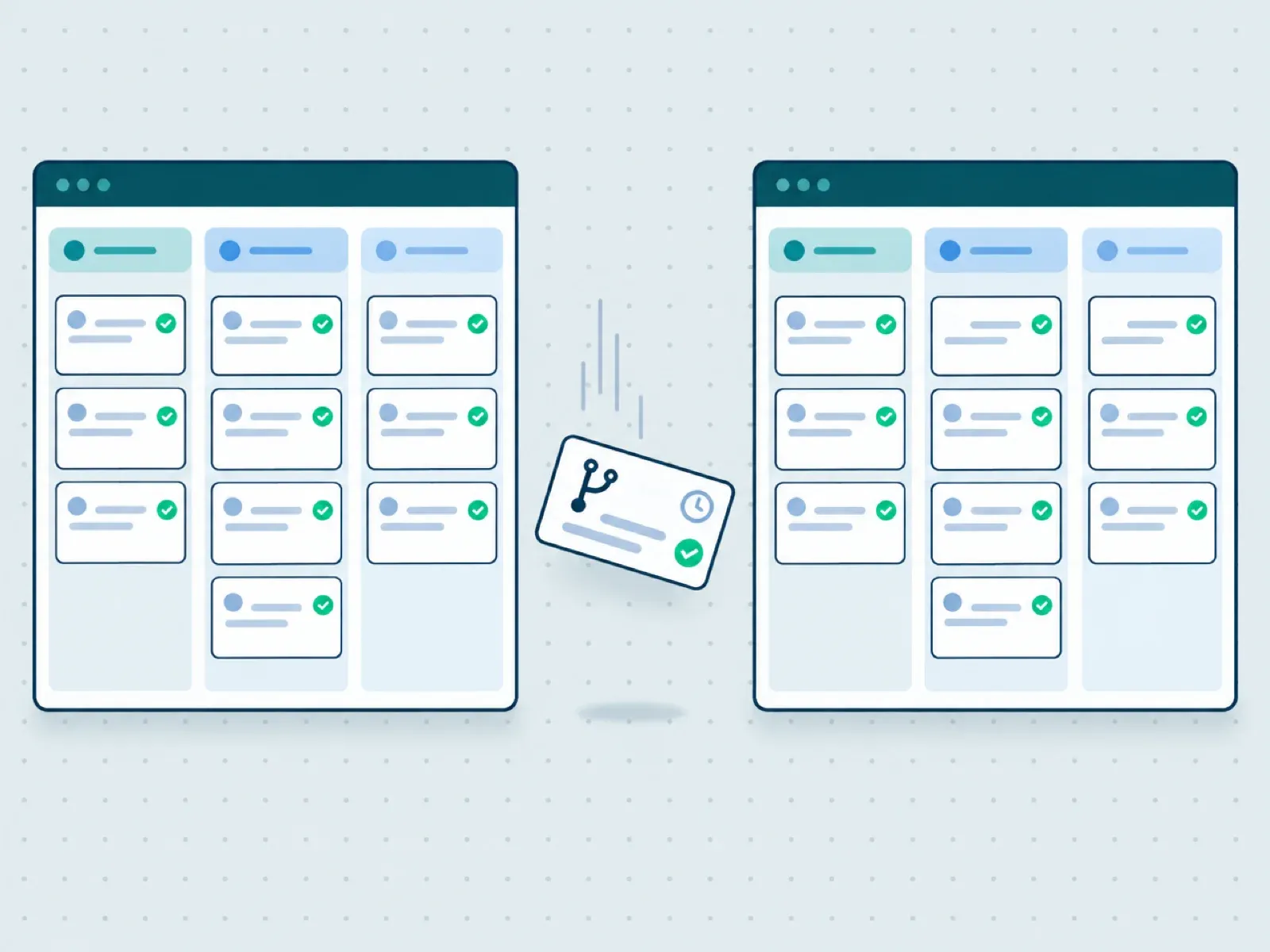
The PR looked fine on both boards. Nobody owned it. Here's how a handoff disappears between two clean-looking views, and how to catch it.

A six-part AI agent governance framework for engineering teams: what agents can change, what needs a person, and how to keep every change sourced and reversible.
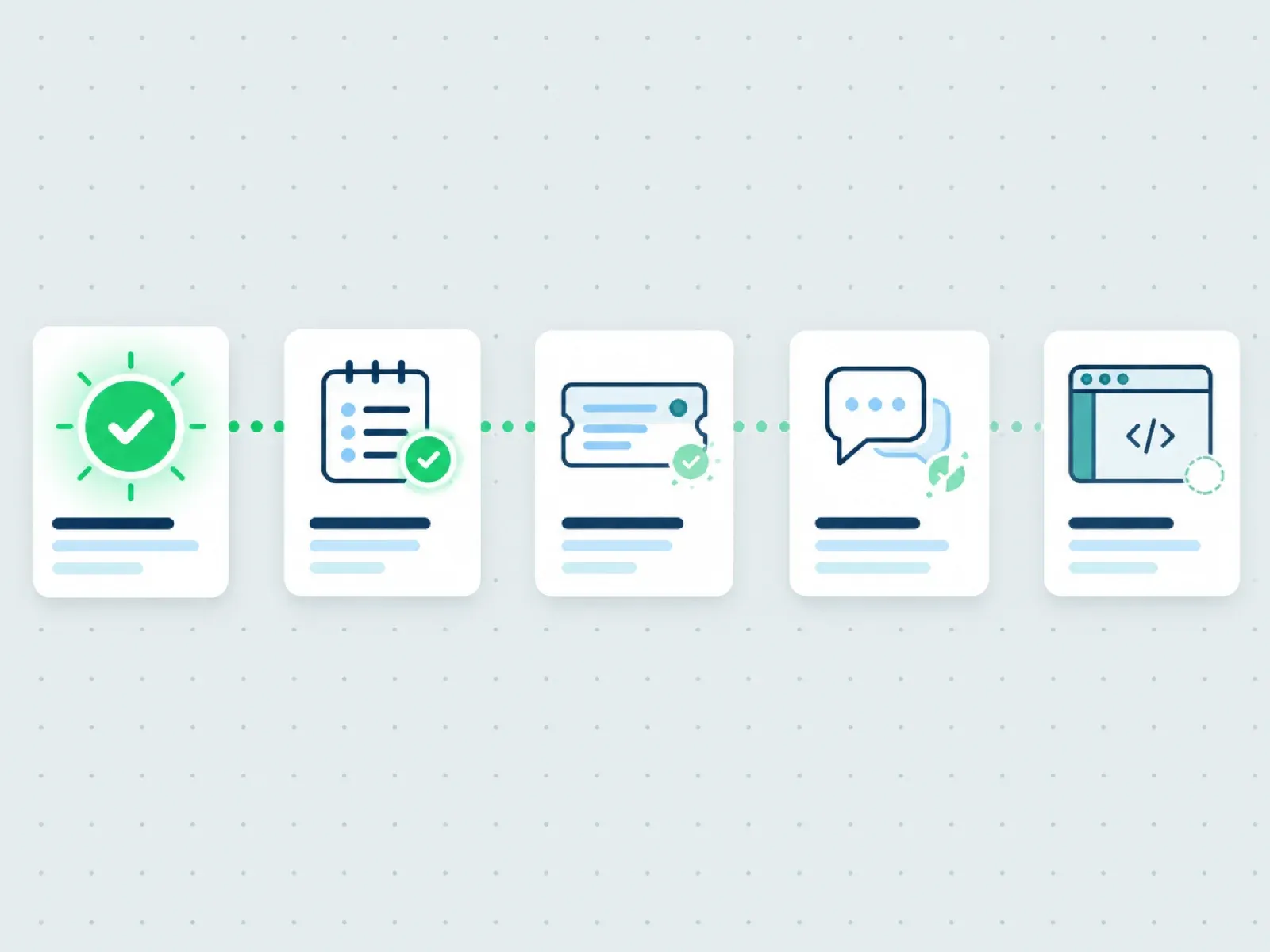
The same decision gets copied five times in one sprint. Here's exactly which hop loses it, and why "be more careful" won't fix it.

A free decision log template you can paste into a doc or a spreadsheet, a filled-in example, and how to keep it current when decisions happen in Slack.

"We should improve onboarding" sits untouched for a month. Here's what actually gets a rough idea moving.

Two features, built equally fast. One shipped from a stale spec. Here's what actually separates fast from trustworthy.

Glean is AI for the whole company. Thor keeps a software team's decisions and tickets current. What each does, how you buy it, and when to use which.

Ten official MCP servers worth connecting to Claude Code or Cursor, what each one is for, how to add it, and how to avoid installing too many.

How to connect GitHub's official MCP server to Claude Code, Cursor, and VS Code, which toolsets to turn on, and the context it can't give your agent.

How to connect Linear's MCP server to Claude Code, Cursor, and VS Code in a few minutes, what it can do, and the context it can't give your agent.
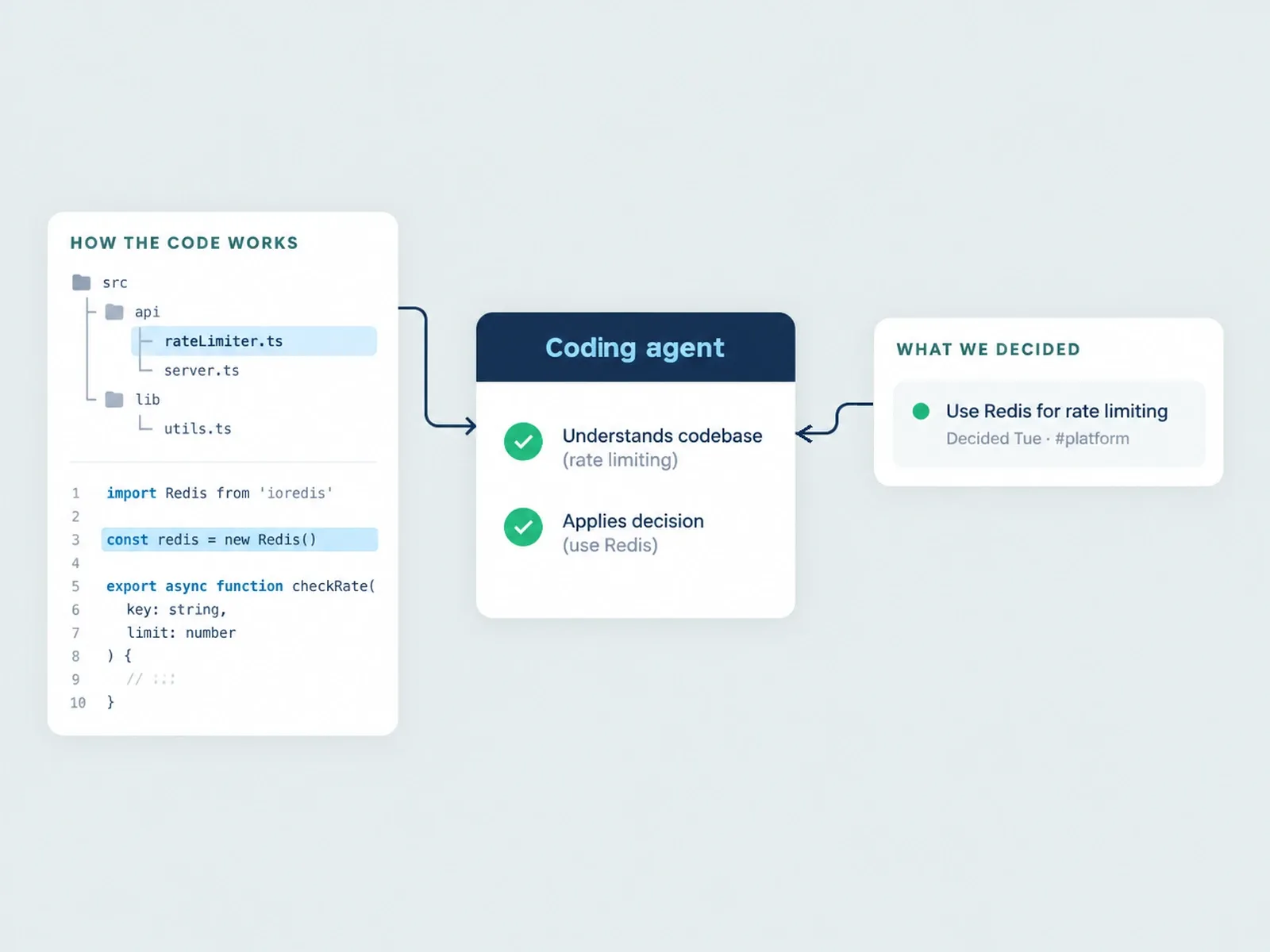
Thor and Unblocked both give coding agents team context, but they do different jobs. What each one reads, what it can change, pricing, and when to use which.

A bigger context window and a checked answer aren't the same thing. Here's the distinction most "AI context" pitches skip.

The ticket says one thing. Tuesday's thread said another. Here's how to tell which one's current, and what to do about the gap.

AI guardrails that hold up at agent speed: what can auto-approve, what waits for a person, and why reviewing everything turns into a rubber stamp.

Copy-and-paste weekly and project status report templates for email or Slack, a filled-in example, and why the usual format gets skipped.

No single moment in this day goes wrong. By Friday, the release plan and the code don't agree. Here's where it actually happened.

Not a full board review, three flagged tickets out of twenty-three. Here's the Monday check that's worth the five minutes.

8.1 million pull requests later, the data says the bottleneck moved. Here's where, and what it means for how "good" gets defined now.

The codebase is readable. The reasoning behind it isn't. Here's what actually gets a new hire unstuck in week one.

An agent changed a ticket's priority. Here's the exact before/after it should leave behind, and the one click that reverts it.

What belongs in CLAUDE.md, what doesn't, and a sample file you can copy. Plus the one kind of context a static file can't keep current.
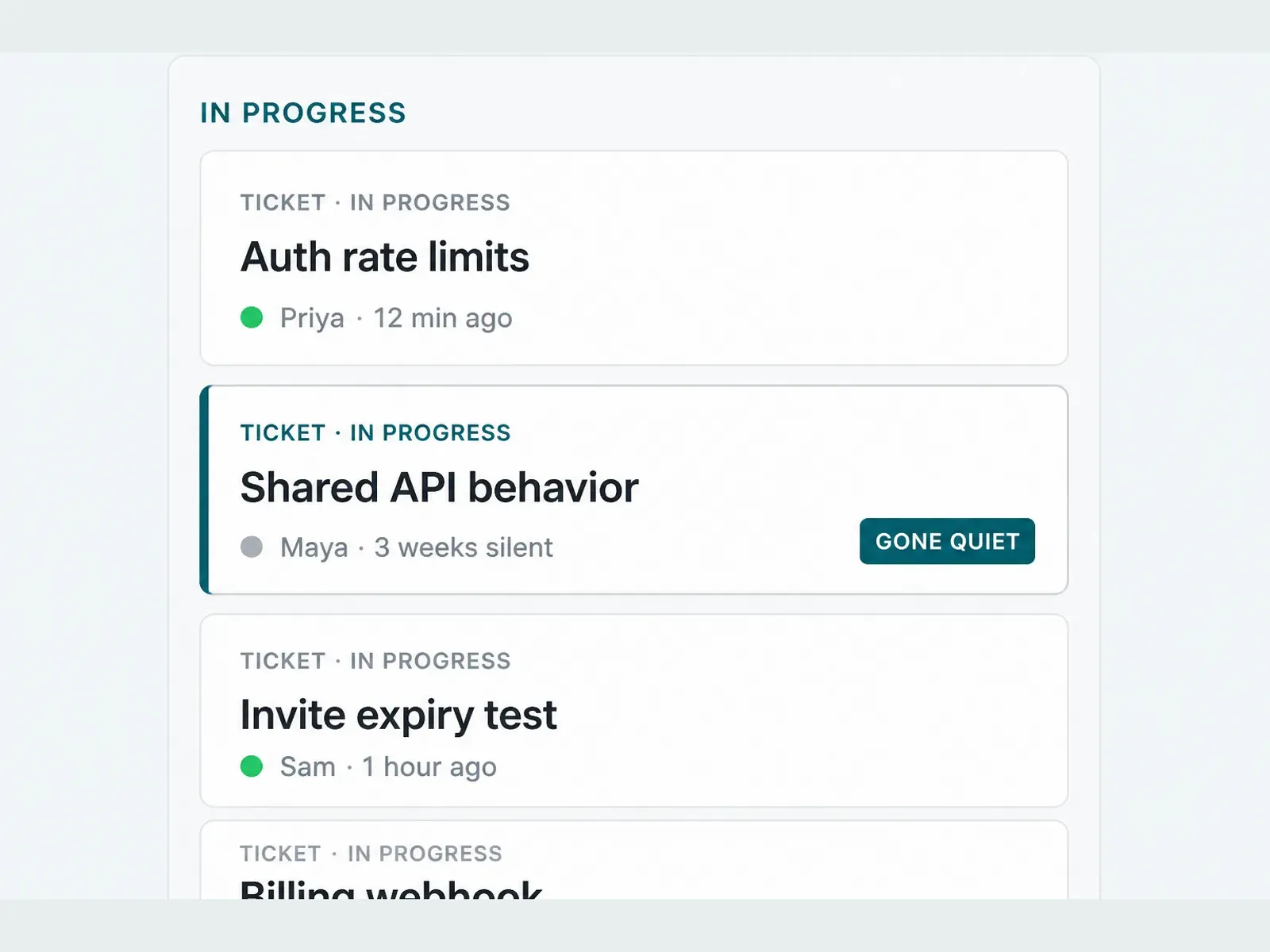
How to find stale tickets: one that's been "In Progress" for three weeks looks exactly like one updated an hour ago. Here's how to tell them apart.
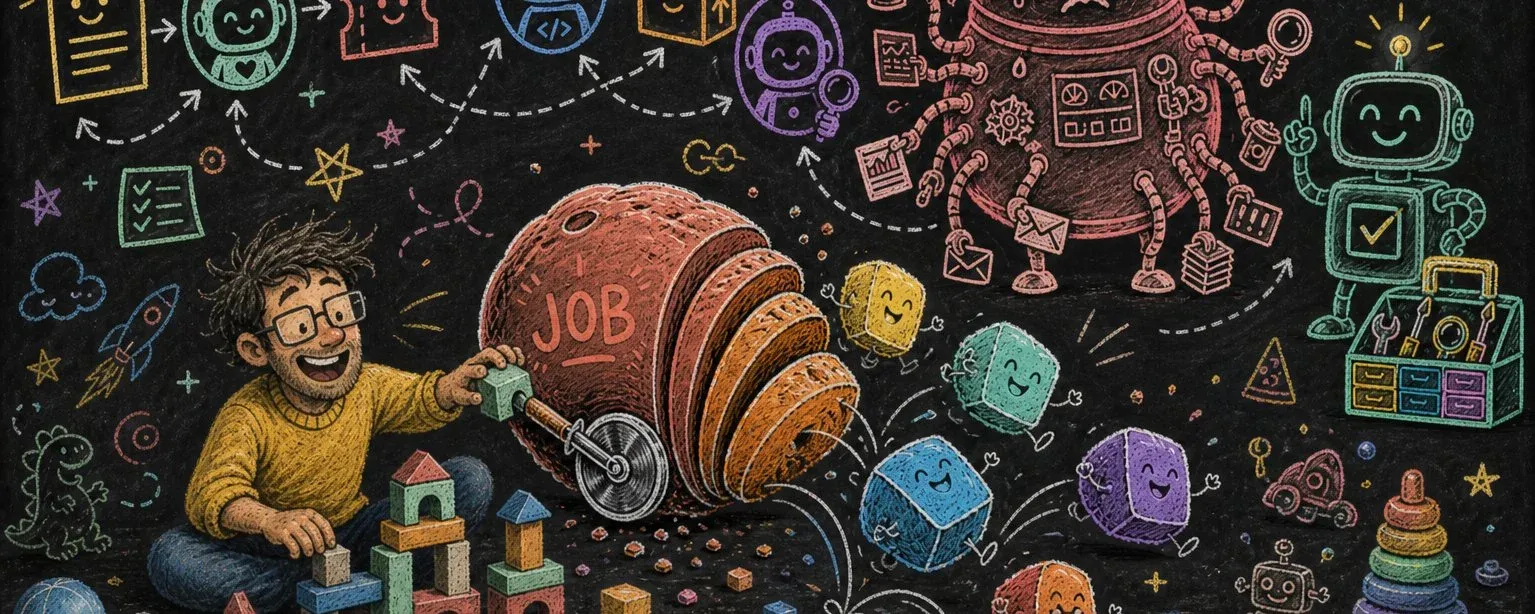
Four principles that made a difference for us: pick the right artifacts, use deep but narrow agents, break jobs into tasks, and don't let plans and specs slow down innovation.

See what actually happens to meeting notes once a call ends, how they turn into owned tasks, and why a person still approves every one.

An agent that reads a stale ticket does exactly what it says, wrong parts included. See what sourced, reversible, governed context actually stops.